In home care Twickenham
020 8892 9222 


Making post-stroke life more manageable

Working with Mrs G after her stroke

Mrs S contacted us when her aunt, Mrs G, was in hospital, having had a stroke.  On leaving hospital Mrs Green had limited use of her right arm.  


Mrs S was concerned about her aunt being at home alone.  Everyday tasks like housework and cooking were not possible. 


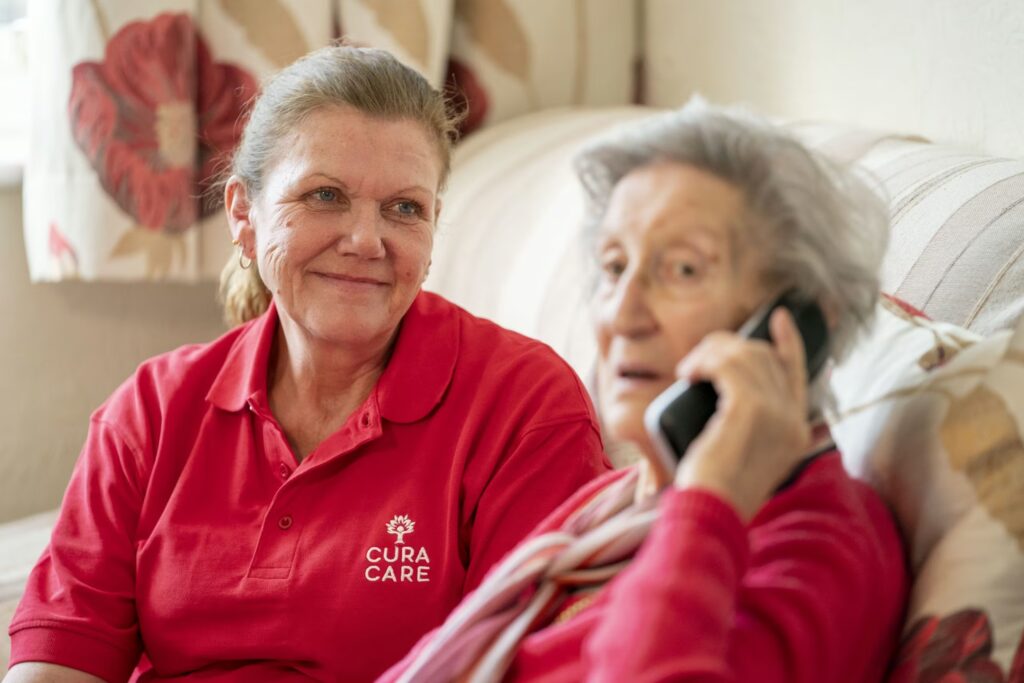
Cura Care arranged for somebody to visit Mrs G three times a day on a daily basis to help her with washing, dressing and meal preparation as well as cleaning.  A carer also drove Mrs G to her physiotherapy sessions.  

Fortunately Mrs G’s use of her arm improved and she has been able to reduce the visits to once a day.

Dealing with the aftermath of a loved one having a stroke is never easy.  Sadly, it is the reality for many of us.  A staggering 150,000 Britons a year have a stroke and the resulting brain damage from strokes is the leading cause of disability in the UK.

Life after a stroke varies from person to person, ranging from near full recovery to needing help with basic tasks such as eating and drinking.  This range of recovery is difficult to predict and depends largely upon the area of the brain affected by the stroke.


The one common theme amongst people recovering from a stroke is a desire
Post stroke careto regain independence as soon as possible.  There is usually a great sense of frustration brought on by the fact that previously simple tasks now seem so much more difficult.

The types of care and practical support that we offer depend upon the needs of the person after a stroke.  These needs can be either physical or psychological/emotional.  


Physical needs can include problems with mobility, swallowing, continence, speech and vision.  


Psychological / emotional needs can relate to problems with depression, tiredness, memory loss, concentration difficulties, mood swings, personality changes and irritability.


There’s no single characteristic for those recovering from a stroke and so we at Cura Care believe there should not be a ‘one size fits all’ approach to dealing with people in the post stroke phase.


Instead, we sit down with the stroke sufferer and their family and seek to understand the nature and severity of the stroke as well as what will help restore independence for that person.  We can also help facilitate change so that the chances of suffering subsequent strokes is minimised.  This can include offering help and advice with diet and nutrition for instance.


For further information on strokes and life after a stroke, please refer to our
stroke fact sheet. To find out how else we can help you, please call us on 020 8892 9222.